+91 99444 59444
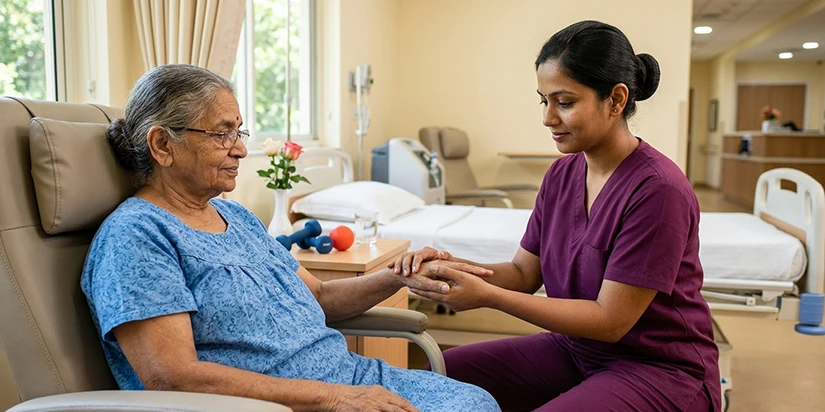
Not all elder care is the same. When a senior needs more than companionship or help with daily tasks, skilled nursing care steps in. It is medical-grade, professional care delivered by trained nurses and doctors, either within a residential facility or through coordinated programs. Knowing when this level of care is necessary can prevent complications, reduce hospital readmissions, and significantly improve a senior’s quality of life.
What Is Skilled Nursing Care?
Skilled nursing care refers to clinical services provided by licensed nurses and allied health professionals under a doctor’s supervision. It is distinct from custodial care, which covers bathing, feeding, or personal hygiene.
Skilled nursing care typically includes:
- Wound care and dressing changes after surgery or injury
- IV medication administration and infusion therapy
- Monitoring and managing complex conditions like heart failure, COPD, or diabetes
- Post-surgical rehabilitation in partnership with physiotherapists
- Tube feeding and respiratory therapy
- Pain management for chronic or serious illness
- Cognitive assessments for seniors showing signs of dementia
This type of care is usually delivered at a skilled nursing facility (SNF), though some services can be extended through home care programmes for seniors who are stable enough to recover at home.
Skilled Nursing Facility vs. Regular Nursing Home
The terms are often used interchangeably, but they are not the same.
- A nursing home primarily offers long-term custodial care for seniors who can no longer live independently.
- A skilled nursing facility (SNF) provides medically supervised, short-term or long-term care for residents who need active treatment, monitoring, or rehabilitation.
Key features of an SNF:
- Licensed nursing staff available 24×7
- Regular on-site or visiting doctor consultations
- In-house physiotherapy and rehabilitation services
- Structured, personalised care plans reviewed periodically
- Ability to manage post-acute and chronic medical conditions
When Does Someone Need Skilled Nursing Care?
This is the most common question families face. Here are the clearest indicators:
After a Hospital Stay
- Seniors discharged post-surgery (hip replacement, cardiac procedure, spine surgery) often need supervised recovery.
- Transitioning directly home can increase the risk of complications or readmission.
- An SNF provides the clinical support needed during this critical recovery window.
Chronic Illness Management
- Conditions like Parkinson’s disease, COPD, heart failure, or advanced diabetes require consistent monitoring.
- Medication adjustments, vitals tracking, and specialist access are easier to coordinate within a residential SNF setting.
Cognitive Decline or Dementia
- Seniors with moderate to advanced dementia need structured environments and trained caregivers.
- Wandering risks, medication compliance, and behavioural changes are better managed in a facility equipped for dementia care.
Caregiver Burnout
- When a family’s primary caregiver is no longer able to manage the physical or emotional load, a short-term respite stay at an SNF is often the most practical option.
- It provides relief for the family while ensuring the senior receives uninterrupted, professional care.
Palliative or End-of-Life Care Needs
- Seniors with serious illness who require symptom management, comfort care, and emotional support benefit from an SNF that offers dedicated palliative care services.
What to Look for in a Skilled Nursing Facility
When shortlisting an SNF for a family member, evaluate these factors:
- Is care led by qualified geriatricians or just general staff?
- Does the facility offer a full spectrum of services including rehab, dementia care, respite, and palliative care?
- What are the visiting hours and family communication policies?
- Is the facility clean, safe, and designed for elderly mobility and comfort?
- Are dietary needs managed by a qualified nutritionist?
Facilities like Geri Care’s Skilled Nursing Facilities in Chennai and Bengaluru are built specifically around geriatric care standards, with plans available from 15 days onwards, making them suitable for both short-term recovery and long-term residency.
How Skilled Nursing Differs from Home Care
Home care works well for seniors who are medically stable but need support with daily tasks or occasional nursing visits. Skilled nursing care at an SNF is the better choice when:
- Continuous medical monitoring is required
- The home environment cannot safely accommodate medical equipment or recovery needs
- Round-the-clock clinical response is necessary
If you are unsure which is right for your family, reviewing the home care services offered by Geri Care alongside the SNF options can help clarify the right level of care.
Conclusion
Skilled nursing care is not a last resort. It is a planned, clinical response to a senior’s genuine medical and recovery needs. Whether your loved one is recovering from surgery, managing a progressive illness, or showing early signs of dementia, an SNF gives them access to the professional care they deserve, in a safe and structured environment.
To explore Geri Care’s skilled nursing facilities near you, visit the locations page or call +91 99444 59444 to speak with the care team directly.